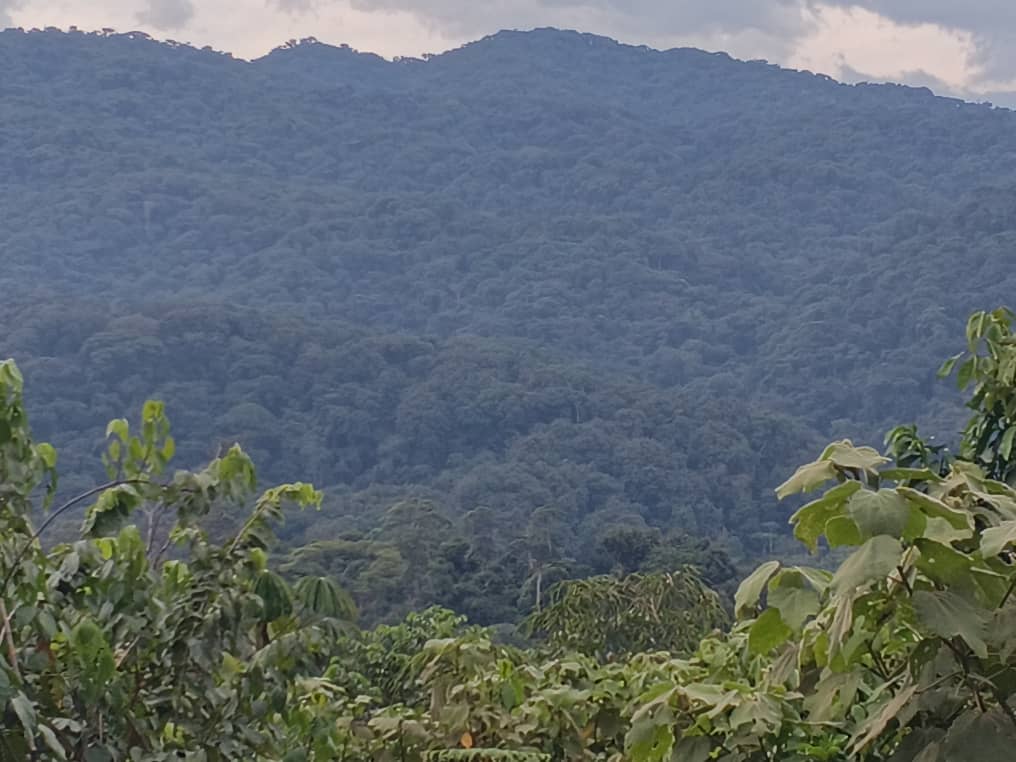
Mandja is a village in the Mwenga territory of South Kivu province, DRC. Its inhabitants rely on the faunal and floral resources of the Itombwe Reserve, living primarily through hunting and gathering. Facing increased pressure on this reserve, several animal species are at risk of extinction. Authorities, partners, and local communities must join forces to save the Itombwe Reserve. This article traces the experience of Emmanuel Basoda, a researcher and expert at the EKAGRI consultancy.

Having set out for ichthyological investigations on the Elila River within the Itombwe Natural Reserve, a scientific curiosity drove me to document what I saw and experienced during three weeks in the forest regarding animal hunting in the village of Mandja.
In South Kivu, the Itombwe Natural Reserve remains one of Central Africa’s most singular landscapes: a forest environment with high biodiversity, home to species as diverse as aquatic birds, arboreal mammals, land animals, and even more discreet but essential species, such as certain bats.
However, in Mandja, a village located in Mwenga territory at an altitude of approximately 1,135 meters, the reality is worrying: every day, residents go out to hunt. Hunting has become a cultural habit and an immediate food source, but it is also a growing threat to the future availability of bushmeat and, by extension, the food stability of households.
Meat Today, Uncertainty Tomorrow
In Mandja, households supply themselves with bushmeat by hunting a variety of wild animals in the Itombwe Natural Reserve. According to our observations, hunters report that meat circulates within families, provides meals, and meets needs during ceremonies or important family events such as births or marriages.
But one question dominates: what will happen when animals become scarce in this part of Itombwe? When hunting pressure exceeds the reproductive rate of species, the reserve gradually empties. It is not just biodiversity that suffers; it is the very foundation of food security, as bushmeat will eventually become rare. Given that the village population seems unaware of the importance of conserving unique ecosystems and that hunting laws are not publicized in this area, bushmeat may seem abundant in the short term, but daily hunting is accelerating the local depletion of animal populations.
In Mandja, Everything is Hunted
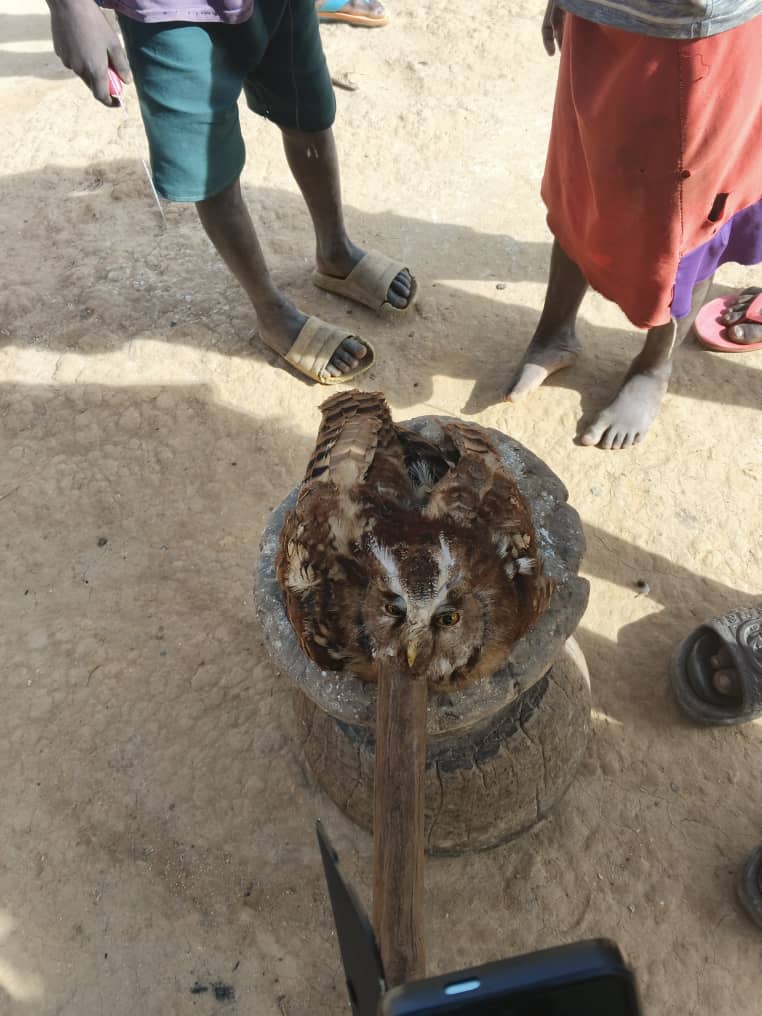
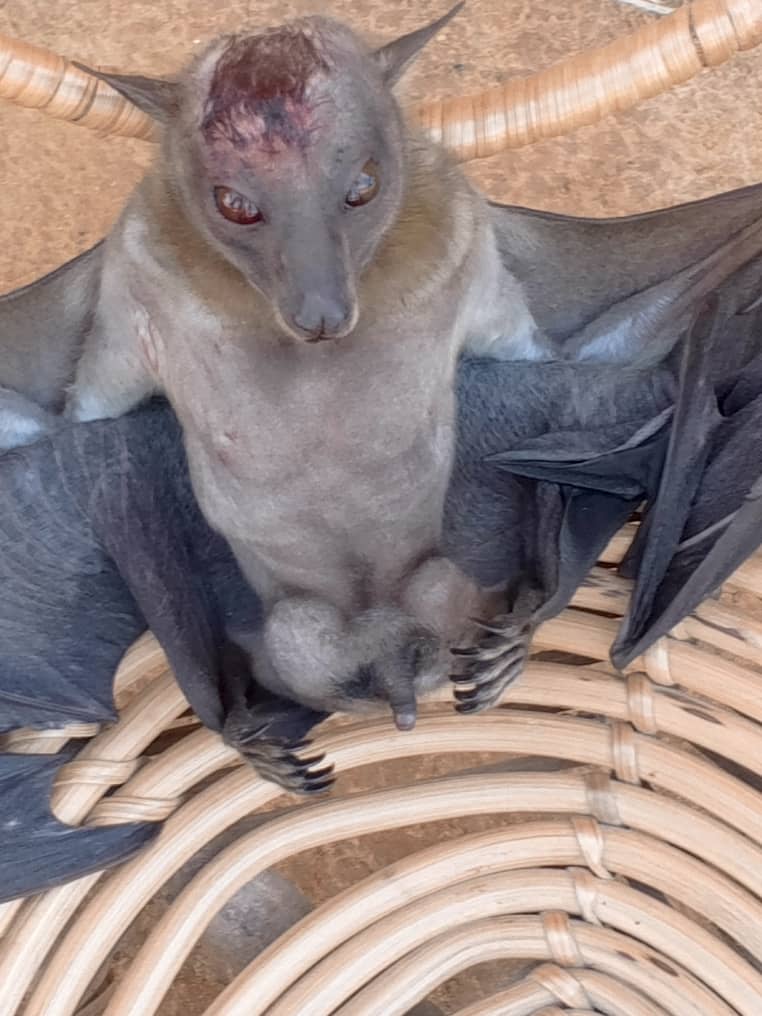
Testimonies supported by our own observations describe a practice covering several categories of animals, notably bird species such as cormorants and owls, and flying mammals—especially bats, hunted among the available « game. » Monkeys are also hunted on a large scale, alongside land animals such as antelopes and squirrels. The capture of pangolins serves as a further alarm, as these are sensitive species often heavily threatened elsewhere. Finally, edible reptiles such as snakes are also targeted. The stakes are high: when such a variety of species is hunted, it does not just affect the quantity of meat; it disrupts the entire ecological balance.
The meat harvested inside or on the outskirts of the Itombwe Natural Reserve becomes food and sometimes a resource of prestige. However, this chain from harvesting to consumption raises serious questions about sustainability.
Hunting: For How Much Longer?
Local discourse and habits reveal a paradox: the inhabitants of Mandja village within the Itombwe Natural Reserve favor hunting, even though the soil is naturally fertile. Crops could be developed to diversify the diet; however, agriculture remains largely neglected.
Agriculture: The Least of Their Concerns
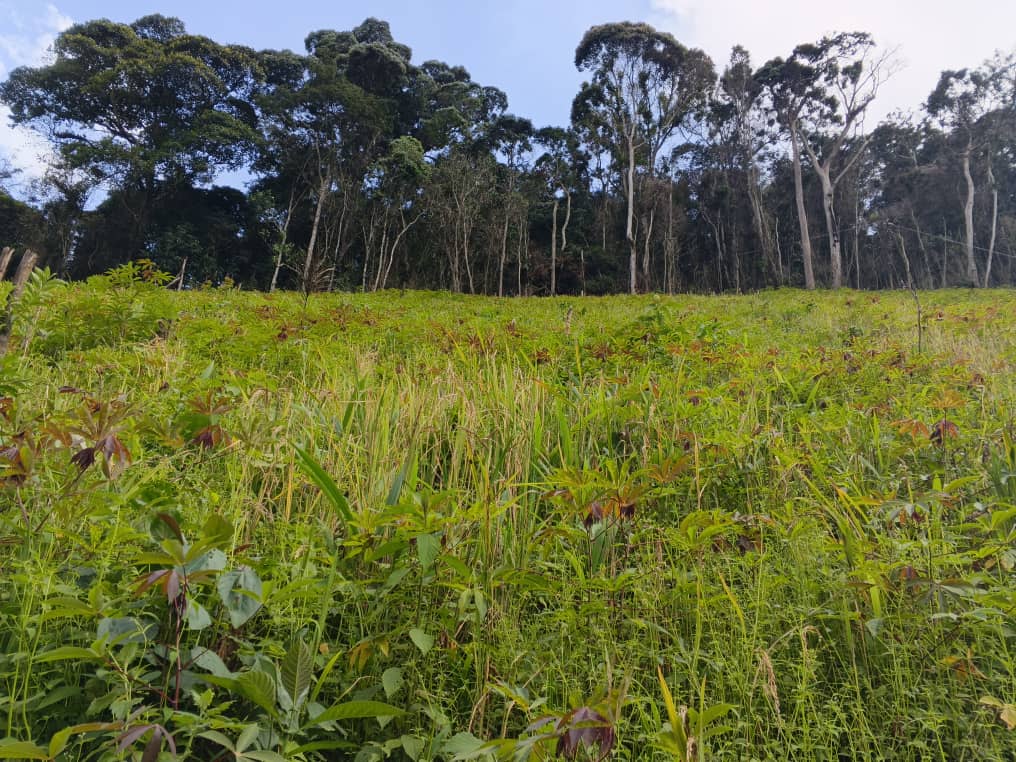
Despite agricultural potential, only a few people cultivate crops like cassava and rice, and only on a small scale. This situation maintains a strong dependence on bushmeat: if agriculture fails to secure a regular food supply, hunting becomes an almost « automatic » solution.
Fish Farming: Present but Insufficient
Some households practice subsistence fish farming, but yields remain low due to a lack of guidance and technical professionalism. Thus, even where alternatives exist, they do not yet produce enough to reduce pressure on wildlife.
Livestock: A Neglected Potential
The population also attempts to diversify through domestic livestock: cows, chickens, pigs, goats, ducks, and dogs (notably as pets or prestige animals). These animals provide meat for festive ceremonies during births, marriages, or formal visits.
However, these activities are not enough to sustainably replace the contributions provided by hunting. Several reasons emerge: a total absence of road infrastructure, lack of startup capital (feed, housing, care), insufficient technical support, market access constraints, and, above all, the absence of comprehensive guidance to transform livestock and agriculture into regular productive systems.
Preserving the Environment to Guarantee Food
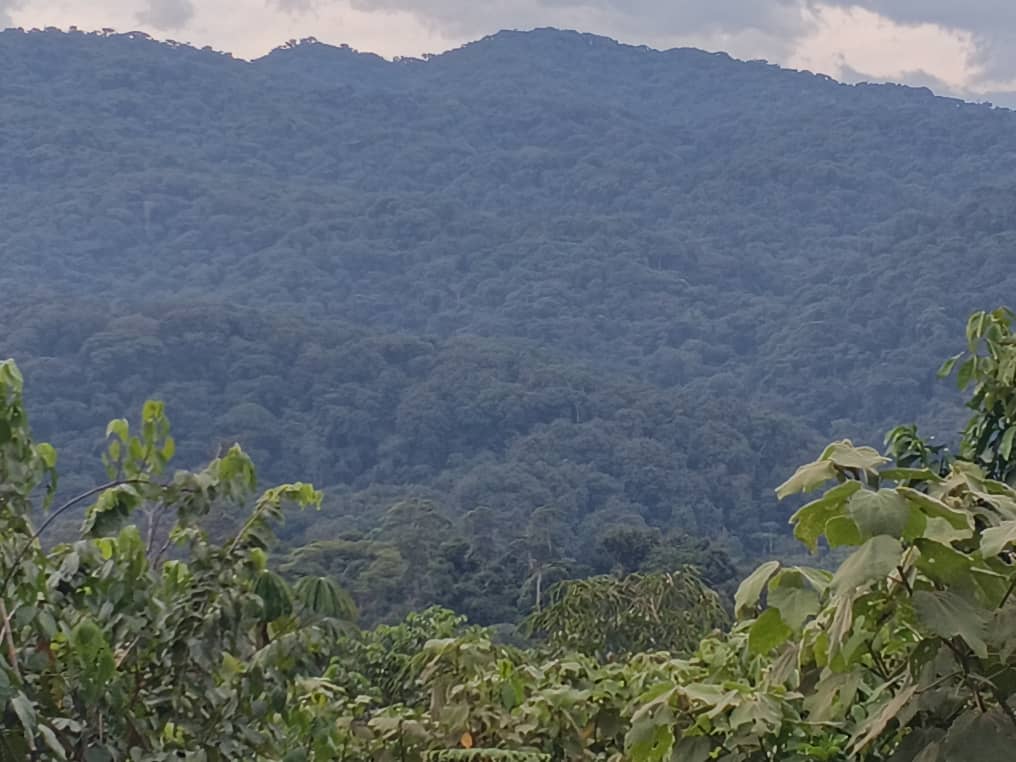
The central argument is simple: alternative activities must allow households to find food regularly while allowing wild animals to multiply and thrive in their natural environment.
The Itombwe Natural Reserve is not just scenery; it is an ecosystem. Animals such as birds, bats, antelopes, monkeys, pangolins, and squirrels all participate in the balance of the environment (pollination, seed dispersal, regulation, forest dynamics). If this system is severed by excessive hunting, the reserve will eventually be transformed. Furthermore, when a territory becomes « fauna-poor, » the communities also lose: they no longer have easy access to meat, and food insecurity worsens.
The Consequences are Already Being Felt
Daily hunting leads to several concrete threats: the gradual scarcity of hunted species as availability drops; the instability of bushmeat as households lose a now-unreliable « food-income »; health and transmission risks from handling certain wild species; and irreversible ecological loss for species like pangolins that do not recover quickly from population crashes.
What is to be Done?
This report does not stop at denunciation; it proposes a realistic path based on four intervention priorities:
- Strengthen Targeted Agriculture: Providing seeds and inputs, basic training, and support to improve yields (e.g., cassava and rice) so the farm becomes a regular food source.
- Professionalize Fish Farming: Providing technical guidance, improving ponds, and managing feed and reproduction to make fish farming a reliable food « lifeline. »
- Modernize Domestic Livestock: Supporting small-scale farming (shelter, feed, animal health) and training to increase productivity as a competitive alternative to bushmeat.
- Community Dialogue and Accountability: Raising awareness about sustainability and encouraging less destructive practices, reinforcing the idea that the reserve must remain a living heritage.
Ultimately, the goal is not to « punish » or stigmatize. The idea is to ensure a transition so that the families of Mandja can feed themselves regularly without endangering the wildlife of the Itombwe region. If alternatives remain poorly supported and unproductive, hunting will remain the most accessible solution. But if they are supported and made profitable, the pressure on the reserve can decrease.
The Itombwe Natural Reserve holds immense wealth. In Mandja, hunting feeds homes today, but it threatens the future. It is time to invest in concrete alternatives to protect the reserve and secure the lives of the populations who depend on this ecosystem.
Note: The Itombwe Natural Reserve is located in eastern DRC, South Kivu province, west of Lake Tanganyika. The Itombwe Mountains are part of the Mitumba range in the Albertine Rift.
By Kitumaini Basoda Emmanuel
En savoir plus sur Mkulima Média
Subscribe to get the latest posts sent to your email.